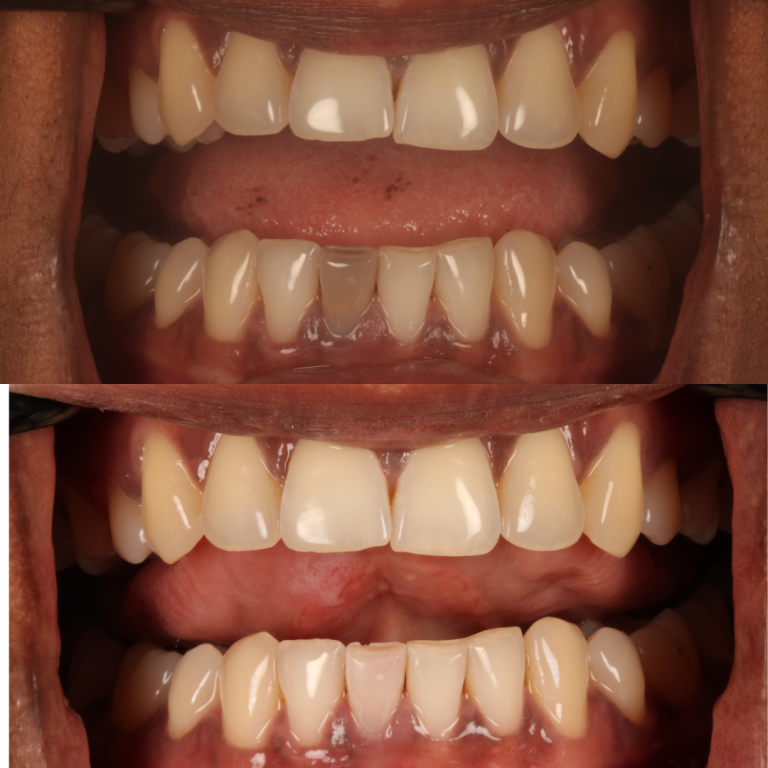
Gum health
Treatment for gum disease is aimed at removing the harmful bacteria which attacks the bone around the teeth. The best way to do this is to have physical cleaning with specialised instruments only found at the dentist.
Gum treatment does not mean the lost bone will grow back, it is a means of preserving the remaining bone. In some cases if recession or bone loss has occurred, we can have surgery to place artificial or natural bone material to help build the bone back up. To bring the gum back into the original position a gum graft or periodontal surgery can be undertaken.
Why is gum health important?
Maintaining gum health goes hand in hand with keeping the bone healthy between and around teeth. It is essential for keeping your teeth throughout life. The bone acts as the strong foundations by holding your teeth in place.
Having a regular thorough check up and gum screening will ensure steps can be taken before gum disease progresses.
Gum treatment and maintenance is best carried out by a dental therapist or hygienist. If gum problems persist, or there are predisposing risk factors, then it may be beneficial to see a periodontal (gum) specialist.
What is gum disease?
Gum disease will affect the bone surrounding your teeth, as bone is lost over time, the teeth can be affected in the following ways: sensitivity, loose, move or drift, and be lost. Gum disease is not typically something which causes pain, so it can go on undetected and become advanced without being aware of the damage occurring around our teeth.
How does gum disease occur?
Gum disease is caused by a plaque build up on and around the teeth that eventually forms tartar, a hard substance which releases toxin and sulphur-producing bacteria capable of weakening the fibres that hold the gums to the teeth. This results in swelling, inflammation and bleeding (a condition known as gingivitis). Without treatment, the gum tissues decay considerably, pulling away from teeth and infecting and dissolving the bones below. This is called periodontitis.
How is gum disease treated?
To treat this disease, the diseased tissue, tartar and plaque is removed from the surface of your teeth and from below the gum line. If the disease is advanced, we may have to smooth your teeth to allow the gum tissue to heal properly and fill any deep spaces between your teeth and gums with antibiotic fibres that stop the growth of the toxin-producing bacteria while the gums heal. We will then close these gaps and, if bone decay is present, rebuild and shape the bone below the teeth.
How can you prevent tooth decay and gum disease?
Early detection and proper dental hygiene are the keys to preventing tooth decay and gum disease. Brushing your teeth twice a day with a fluoride-based toothpaste helps to remove the thin layer of bacteria that can release toxin-producing bacteria, and flossing will keep your mouth free from hard-to-reach residual food and bacteria. Finally, maintaining a balanced diet, not consuming too many sugary sweets and snacks and taking regular trips to the dentist will keep your gums and teeth healthy.